Event Technology
The Hidden Cost of the Event Registration Queue
An event registration queue burns your first impression and your staff budget. QR entry cut one conference's entry time by 70% — here's the math.
•5 min read
An event registration queue burns your first impression and your staff budget. QR entry cut one conference's entry time by 70% — here's the math.

Your event registration queue is the first session on the program — the one nobody planned. While attendees stand in a corridor waiting to be found on a list, the energy you spent months building drains out through the lobby. For operators, that line isn't a nuisance. It's a recurring cost with a line item in staff, satisfaction, and schedule.
Ask attendees about a mediocre event and they rarely mention the content. They remember standing in line before it started. The queue frames everything that follows: sessions feel delayed, rooms feel rushed, and the opening keynote starts to a crowd that arrived frustrated.
First impressions compound. An event that moves people through the door in seconds starts on a high note — attendees walk in ready, not resentful. That's customer experience AI at work, and it happens before your first speaker says a word.

The visible cost of a slow entry process is the line itself. The costs underneath are what hurt:
One 1,000-attendee conference put numbers on this. When it replaced manual registration with QR entry, average entry time dropped 70%, attendee satisfaction rose 35%, and the team saved $3,000 in staff costs. The queue was costing more than the line itself suggested.
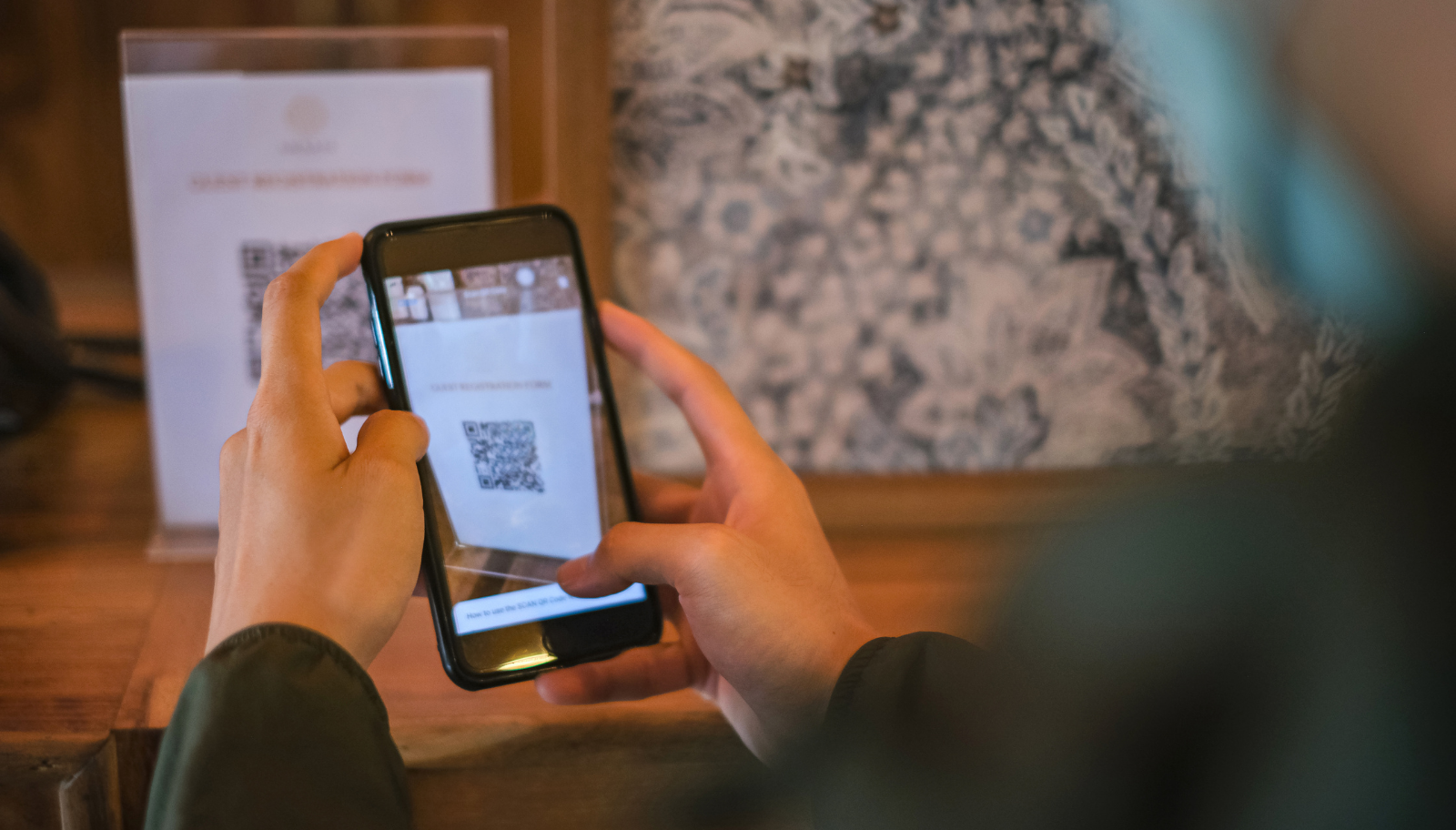
Msg2ai's platform replaces the registration desk bottleneck with a QR entry system that runs on the phones you already own. The flow is four steps:
Attendees don't download an app or create an account — they carry a code and walk in. On-site preference collection happens in the same moment, so your attendee data fills in while the line disappears.
The 1,000-attendee conference above is worth a closer look, because every improvement fed the next one. Entry time down 70% meant doors stopped being a bottleneck. Satisfaction up 35% meant the event started on its best foot. Staff costs down $3,000 meant the team ran leaner while giving attendees a faster arrival than ever.
None of it required extra hardware or a bigger crew. The win came from removing steps from the entry process, not adding people to manage them.

Faster entry is the attendee-facing win. The operator-facing win is visibility. As an event AI assistant platform, Msg2ai pipes every scan into a live analytics dashboard — hospitality technology that reports while the day is still happening, not in a post-mortem:
The same system scales from a 50-person meetup to a 50,000-attendee conference, because scanning a code costs the same at any crowd size. Your entry process stops being something you staff for and becomes something you monitor.
Replace list-searching with a unique QR code per attendee, scanned by staff on any phone. At one 1,000-attendee conference, this cut average entry time by 70% and saved $3,000 in staff costs. Fewer steps per attendee — not more stations — is what dissolves the line.
Each attendee receives a unique QR code before the event through messaging channels like WhatsApp or SMS. At the door, staff scan it with a phone, the entry logs to a live dashboard in real time, and VIP priority handling runs through the same flow. Attendees never download an app or create an account.
More than the wait. A slow entry process costs staffed stations and wages, delays the schedule that follows, consumes your team's opening hour, and frames the whole event in frustration. When one conference fixed its entry process, satisfaction rose 35% — the queue was the cheapest thing it ever improved.
See what QR entry does for your next event. Watch Msg2ai's entry system work on a live crowd — request a demo.
An AI host for vacation rentals answers 80% of guest questions instantly — handing property managers 10+ hours a week back. See where that time goes.
Setting up guest messaging usually means working through screens, once per property and once per event. The msg2ai Toolkit lets an AI assistant do that setup with you, in conversation, using your own account.